
Training the next generation of jewellery designers isn't only about refining technique and developing a creative voice. It also means understanding the impact of the material choices they make. With that conviction, the Jewellery and Metalsmithing Department at NSCAD University (Canada) incorporated Fairmined-certified silver into one of its academic projects, becoming the first educational institution to hold an institutional Fairmined licence.
The project culminated in the inaugural Fairmined Initiative & Student Award, won by student Qing Wang for Facetted Bud, a piece that combines a locket and a reusable tea infuser, made entirely with Fairmined silver.
We spoke with Greg Sims, Associate Professor of Jewellery Design and Metalsmithing at NSCAD University, and with Qing Wang, the award winner, to hear the story behind the initiative.
Educating designers who understand where materials come from
For Greg Sims, integrating Fairmined silver into the jewellery curriculum was a natural decision.
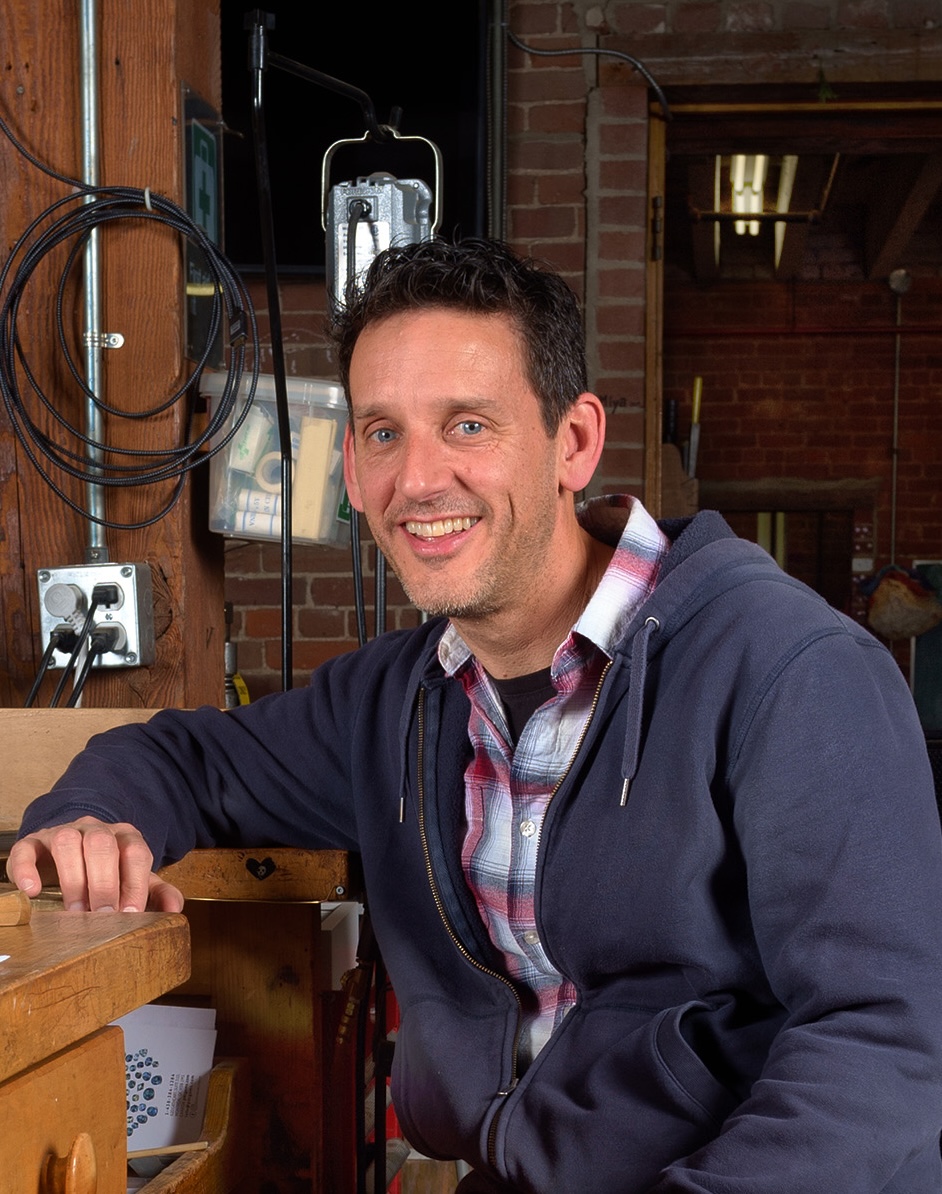
Since 2023, NSCAD University has held a Fairmined Institutional License, enabling responsible sourcing to become an integral part of its jewellery education program.
The biggest challenge: making responsibly sourced materials accessible
Introducing certified materials into an educational setting also comes with challenges. According to Greg Sims, the main barrier has been the additional cost of Fairmined silver for students.
Thanks to a generous donation from John Esposito of Malleable Jewellery, that financial barrier was significantly reduced, allowing students to work with Fairmined-certified silver without facing a substantially higher cost.
Beyond the usual metalworking processes, students also learned the additional steps required to maintain the material’s traceability throughout the entire fabrication process.
“Students were happy to take on this extra work knowing that it allowed them to claim Fairmined certification and even know the exact mine their silver came from.” — Greg Sims
A design where the material tells its own story
Facetted Bud, a tea infuser designed by Qing Wang
The award-winning piece, Facetted Bud, grew out of Qing Wang’s research into historical lockets.
Rather than creating a traditional locket to hold photographs or keepsakes, he reimagined it as a contemporary object with a practical function: a reusable tea infuser.
Inspired by botanical forms and crafted using intricate filigree techniques, the piece brings together tradition, nature, and sustainability.
.
“Because Fairmined is rooted in responsible sourcing, creating a reusable tea infuser felt like a meaningful way to connect the concept, the material, and sustainability.” Qing Wang
For Qing, working with Fairmined-certified silver changed the way the project took shape.
"Using Fairmined-certified silver added another layer of meaning to the work. It made me think not only about the function of the object, but also about the responsibility behind the materials we choose and how those choices can support more sustainable jewellery making." Qing Wang
Inspiring the next generation of jewellers
Both Greg and Qing agree that making responsibly sourced materials accessible to students and emerging artists is an investment in the future of the jewellery industry.
Qing encourages other design students to work with responsibly sourced materials whenever possible.
“Besides adding another layer of meaning to a carefully designed piece, they also help raise awareness of where our materials come from. I hope there will be more opportunities like this for students and emerging artists, as these materials can be more accessible and encourage more people to explore responsible making.”
Greg also encourages universities and the jewellery industry as a whole to integrate responsible sourcing into education.
“If we hope to affect positive change in the industry, even small-scale makers have a responsibility to educate and guide their customers toward more responsibly sourced materials. The added value far outweighs the extra cost.”
Designing the future also means choosing better materials
Photos: NSCAD archives
The experience at NSCAD University shows that educating responsible professionals begins long before they enter the workforce.
By incorporating traceable and responsibly sourced materials into the learning process, students develop not only technical and creative skills, but also a deeper understanding of the social and environmental impact of the choices they make as designers.
Initiatives like this help ensure that the next generation of jewellers sees traceability and responsible sourcing not as added value, but as a natural part of the design process.
For more information on how to work with certified precious metals and how to support responsible mines, get in touch with our team at info@fairmined.org
